


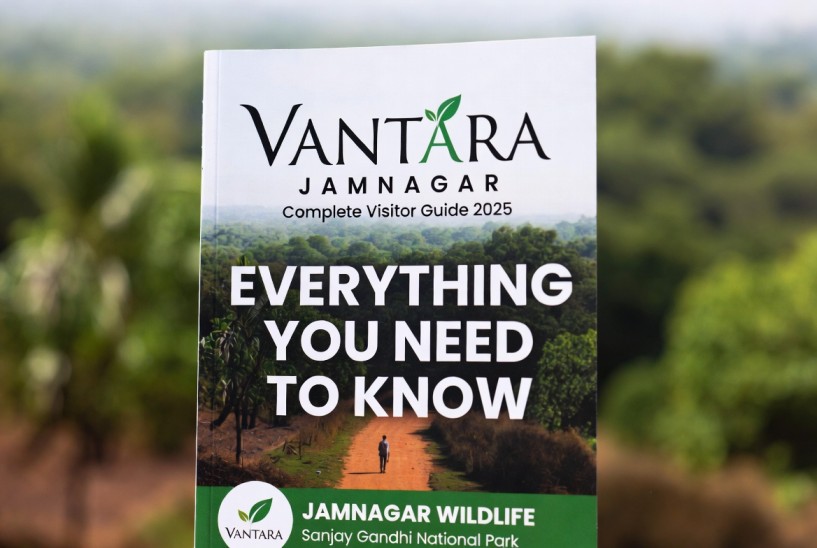
Vantara Jamnagar has emerged as one of the world’s most ambitious wildlife rescue and rehabilitation centers, capturing global attention for its scale and vision. Located in Gujarat’s Jamnagar district, this groundbreaking sanctuary represents a new chapter in wildlife conservation.
Whether you’re planning your first visit or simply curious about this extraordinary project, this comprehensive guide covers everything from ticket prices to travel tips.
What is Vantara?
Vantara, meaning “Star of the Forest,” is an animal rescue, care, and rehabilitation initiative established by the Reliance Foundation. Unlike traditional zoos focused primarily on display, Vantara prioritizes healing, rehabilitation, and conservation.
The facility spans 3,500 acres at Motikhavdi village in Jamnagar district and was officially launched on February 26, 2024. What makes Vantara truly remarkable is its dedication to providing world-class medical care to rescued animals from across India and internationally.
Vantara Jamnagar Ticket Price 2025
Current Status
Important Update: As of December 2025, Vantara remains a private, conservation-focused facility with gradual public access expected in phases beginning late 2025 or early 2026.
Vantara Jamnagar Ticket Price
While official prices haven’t been announced, industry experts suggest the following estimated structure:
| Visitor Category | Expected Price Range |
|---|---|
| Adults (Indian) | ₹300 – ₹500 |
| Children (5-12 years) | ₹150 – ₹300 |
| Students (with ID) | ₹200 – ₹350 |
| Senior Citizens | ₹200 – ₹350 |
| Foreign Nationals | ₹800 – ₹1,200 |
| Family Package (4 people) | ₹1,000 – ₹1,500 |
Note: These are estimated figures based on similar facilities. Official pricing will be announced when public access begins.
What’s Included in Your Ticket
When booking opens, your entry ticket is expected to include:
- Access to general viewing areas and walking trails
- Conservation galleries and educational exhibits
- Interactive digital kiosks about wildlife protection
- Natural habitat zones for various species
- Rest areas and visitor facilities
Additional Experiences (Estimated Costs)
- Guided Safari Tours: ₹500 – ₹1,000 per person
- Photography Permits: ₹200 – ₹500
- Educational Workshops: ₹300 – ₹800
- VIP Behind-the-Scenes Tours: ₹2,000 – ₹5,000
Vantara Animal Rescue Center: Anant Ambani’s Vision
The Inspiration Behind Vantara
Anant Ambani’s passion for animal welfare evolved from childhood into a structured vision after noticing gaps in India’s wildlife rehabilitation infrastructure. His personal mission was to create a sanctuary combining global best practices with Indian ecological sensibilities.
Conservation Philosophy
Unlike typical zoos, Vantara operates with a “rescue-rehabilitate-release” philosophy, providing intensive medical care and psychological rehabilitation to injured, abused, or displaced animals. For animals unable to return to the wild, the facility offers enriched, dignified lives in natural surroundings.
Key Achievements
- Elephant Rescue: Over 200 elephants have been rescued and rehabilitated
- Awards: Received the Prani Mitra National Award from the Animal Welfare Board of India
- Scale: Houses more than 150,000 animals across over 2,000 species
- Investment: Estimated ₹1,200 crore ($150 million) for world-class facilities
How to Visit Vantara Zoo Gujarat
Travel Options to Jamnagar
How to Visit Vantara Zoo By Air
Jamnagar Airport is the closest airport to Vantara, just about 25 kilometers away, with regular flights from Mumbai and other Indian cities. Airlines like Air India and SpiceJet operate daily services. From the airport, the drive to Vantara takes approximately 30-40 minutes.
Alternative Airport: Rajkot Airport, located around 90 kilometers from Vantara, is another good option with connections to major cities.
How to Visit Vantara Zoo By Train
Jamnagar Railway Station is around 20 to 25 kilometers away from Vantara, with several direct trains operating between Jamnagar and major cities such as Delhi, Mumbai, Vadodara, Ahmedabad, and Surat.
Major Routes:
- Mumbai to Jamnagar: 8-10 hours
- Ahmedabad to Jamnagar: 5-6 hours
- Delhi to Jamnagar: 18-20 hours
How to Visit Vantara Zoo By Road
Jamnagar is well-connected to other Gujarat cities via a strong road network, with cities like Rajkot, Ahmedabad, Vadodara, and Surat having direct road connectivity.
Driving Distances:
- From Ahmedabad: 300 km (5 hours)
- From Rajkot: 90 km (2 hours)
- From Vadodara: 350 km (6 hours)
Local Transportation in Jamnagar
Once in Jamnagar, you can reach Vantara via:
- Taxi/Cab Services: Ola, Uber, or local taxis
- Pre-booked Transfers: Through hotels or travel agencies
- Rental Cars: Available at airport and railway station
Best Time to Visit
Ideal Months: November to February
During these months, the weather in Gujarat is pleasant, and many animals are more active, making your wildlife viewing experience richer. Summers (March to June) can be extremely hot, with temperatures exceeding 40°C.
Nearby Hotels and Accommodations
Luxury Options:
- Aram Hotel & Spa
- President Hotel
- Hotel Flamingo by Volant
Mid-Range Hotels:
- Hotel Vishal International
- Hotel Kirti Plaza
- Hotel Express Residency
Budget Stays:
- Hotel Venus
- Hotel Garden Palace
- Various guesthouses near the city center
Distance from Vantara: Most hotels are 20-30 km from the sanctuary.
Vantara vs Other Indian Zoos: What Makes It Special
Unique Features
1. World-Class Medical Facilities
The facility includes a Wildlife Hospital covering 100,000 square feet with MRI, CT scan, ultrasound, X-ray, surgical rooms, and quarantine facilities. This level of medical infrastructure is unprecedented in India.
2. Elephant-Specific Care
The Centre for Elephants includes a hospital equipped with hydrotherapy pools, medical imaging systems, and specialized veterinary tools, plus an elephant oxygen hyperbaric chamber.
3. Conservation-First Approach
While most Indian zoos prioritize public display, Vantara is not open to the general public to prioritize conservation over tourism, focusing on animal welfare above visitor numbers.
4. International Scale
With 3,500 acres, Vantara dwarfs most Indian zoos. For comparison:
- National Zoological Park, Delhi: 176 acres
- Mysore Zoo: 157 acres
- Alipore Zoo, Kolkata: 46 acres
5. Advanced Technology
Facilities include robotic surgery units, portable X-ray machines, laser therapy equipment, and climate-controlled enclosures mimicking natural habitats.
Comparison with Major Indian Zoos
Vantara Zoo vs Delhi Zoo vs Mysore Zoo
| Feature | Vantara | Delhi Zoo | Mysore Zoo |
|---|---|---|---|
| Area | 3,500 acres | 176 acres | 157 acres |
| Primary Focus | Rescue & Rehabilitation | Display & Education | Display & Breeding |
| Medical Facilities | MRI, CT, Robotic Surgery | Basic Veterinary | Standard Veterinary |
| Species Count | 2,000+ | 100+ | 168 |
| Public Access | Planned/Limited | Open Daily | Open Daily |
Animals at Vantara: Species and Conservation Efforts
Major Species Categories
Big Cats and Predators
The sanctuary shelters majestic African lions, elusive leopards, elegant cheetahs, and white tigers, all thriving in secure, natural-like environments. These animals often arrive from illegal trade situations or unsafe captivity.
Elephants
Over 200 elephants have been rescued, many from circuses, temples, or logging operations. Each elephant receives customized care including medical treatment, proper nutrition, and social bonding opportunities.
Herbivores
From zebras and giraffes to endangered blackbucks and swamp deer, Vantara showcases diverse herbivores from Africa and India, including rare antelopes like the addax and oryx.
Primates
Primates such as chimpanzees and orangutans benefit from rehabilitation and enrichment programs designed for their recovery, with specialized care for those rescued from urban accidents or illegal captivity.
Reptiles
Over 1,200 reptiles including crocodiles, exotic snakes, and tortoises are kept in temperature-controlled environments.
Exotic Birds
The aviary section features macaws, flamingos, hornbills, and more in a paradise of color and sound.
Conservation Programs
Breeding Initiatives: Programs for endangered species to ensure genetic diversity and long-term survival.
Rescue Operations: Coordinated missions to save animals from abuse, natural disasters, or illegal trafficking.
Habitat Restoration: Creating natural ecosystems within the sanctuary that encourage normal behavioral patterns.
Medical Research: Advanced studies on wildlife diseases, nutrition, and rehabilitation techniques.
Vantara Jamnagar Ticket Price and Booking Guide 2025
How to Book (When Available)
Online Booking Process
- Visit Official Website: Check vantara.in for updates
- Select Date & Time Slot: Choose your preferred visit timing
- Choose Ticket Type: Adult, child, student, or family packages
- Enter Details: Provide visitor information and contact details
- Make Payment: Secure payment via credit/debit card, UPI, or net banking
- Receive E-Ticket: Get confirmation via email or SMS
Important Booking Tips
- Book in Advance: Online booking is advisable to avoid long queues, especially during weekends and holidays
- Check Time Slots: Limited daily visitors to minimize animal stress
- Weekday Visits: Less crowded with better wildlife viewing opportunities
- Group Discounts: Expected for schools, NGOs, and large families
- Cancellation Policy: Check refund terms before booking
Visitor Guidelines (Expected)
When public access begins, expect these rules:
- No plastic items allowed inside
- Maintain silence in animal zones
- No feeding animals without permission
- Follow designated paths only
- No flash photography near sensitive species
- Proper dress code (covered shoes, modest clothing)
- Children must be supervised at all times
Facilities at Vantara
On-Site Amenities
Visitor Services:
- Information centers with multilingual staff
- Digital navigation kiosks
- Electric buggy services for elderly and disabled visitors
- Wheelchair accessibility throughout main areas
- First aid and medical assistance
Dining Options:
- Vegetarian food courts
- Refreshment kiosks
- Picnic areas (where permitted)
- Water stations throughout the sanctuary
Other Facilities:
- Clean restrooms at regular intervals
- Shaded rest areas with seating
- Souvenir shops featuring wildlife-themed products
- Educational resource centers
- Photography zones
Infrastructure Highlights
The conservation zone includes specialized enclosures with enrichment programs such as foraging simulations to mimic species’ wild environments. Walking trails are eco-friendly with minimal environmental impact.
Planning Your Vantara Visit: Complete Itinerary
Half-Day Visit (4-5 hours)
9:00 AM – Arrival & Check-in
- Collect tickets and receive visitor map
- Brief orientation at information center
9:30 AM – Elephant Zone
- Observe rescued elephants in their habitat
- Learn about rehabilitation stories
11:00 AM – Big Cat Enclosures
- View lions, tigers, leopards in natural settings
- Interactive displays about conservation
12:30 PM – Lunch Break
- Food court or packed lunch in designated area
1:30 PM – Aviary & Reptile Sections
- Exotic bird exhibits
- Reptile education center
2:30 PM – Departure
Full-Day Visit (7-8 hours)
Add to half-day itinerary:
- Guided safari experience (2 hours)
- Behind-the-scenes veterinary tour
- Educational workshop participation
- Extended time at primate zones
- Gift shop visit
Nearby Attractions in Jamnagar
Maximize your trip by exploring these nearby destinations:
1. Lakhota Lake and Palace
This peaceful lake has a beautiful palace in the center, now turned into a museum, ideal for evening walks and photography.
Distance from Vantara: 25 km Best Time: Evening (4-6 PM)
2. Bala Hanuman Temple
Famous for its non-stop chanting of “Ram Dhun” since 1964, this temple has found a place in the Guinness Book of World Records.
Distance from Vantara: 23 km Timings: Open 24/7
3. Marine National Park
About 60 kilometers from Jamnagar, this park offers a unique walk on the sea bed during low tide to spot corals, octopuses, and pufferfish.
Distance from Vantara: 60 km Best Time: December to March, during low tide
4. Khijadiya Bird Sanctuary
Only 15-20 kilometers from the city, this is a paradise for bird lovers with over 200 migratory and resident bird species.
Distance from Vantara: 20 km Entry Fee: ₹25 for Indians, ₹200 for foreigners
Weekend Itinerary Suggestion
Day 1:
- Morning: Visit Vantara (full day experience)
- Evening: Lakhota Lake sunset and palace visit
Day 2:
- Early Morning: Khijadiya Bird Sanctuary
- Afternoon: Marine National Park exploration
- Evening: Bala Hanuman Temple and local shopping
Frequently Asked Questions
When will Vantara open to the public?
Gradual public access is expected in phases beginning late 2025 or early 2026, with official pricing to follow. Follow official channels for announcements.
Is photography allowed?
General photography is expected to be permitted, but professional equipment and videography may require special permits and additional fees.
How much time should I allocate?
Plan at least 4-5 hours for a comprehensive visit. Wildlife enthusiasts may want an entire day to explore thoroughly.
Are there age restrictions?
No specific age restrictions, but young children must be supervised. Some zones may have minimum age requirements for safety.
Can I bring outside food?
Policies will be announced with public opening. Most sanctuaries allow packed snacks but restrict full meals to maintain cleanliness.
Is Vantara wheelchair accessible?
Yes, the facility is designed with modern accessibility standards including ramps, wide pathways, and accessible restrooms.
What about emergency services?
On-site medical facilities and trained staff are available for visitor emergencies, plus the sanctuary’s own veterinary hospital.
Can I volunteer at Vantara?
Information about volunteer programs, internships, and educational opportunities will be available through official channels.
Tips for First-Time Visitors
- Wear Comfortable Shoes: Expect significant walking on natural terrain
- Carry Sun Protection: Hat, sunglasses, and sunscreen essential
- Bring Binoculars: Enhanced wildlife viewing experience
- Stay Hydrated: Carry refillable water bottles
- Book Online: Avoid queues when booking opens
- Visit Weekdays: Less crowded, better animal activity
- Arrive Early: Morning hours offer best wildlife viewing
- Follow Guidelines: Respect animals and conservation efforts
- Download Official App: For real-time updates and navigation
- Plan Nearby Stays: Accommodation in Jamnagar city recommended
Contact Information
- Official Website: www.vantara.in
- Reliance Foundation Contact: +91 79 2397 7200
- Social Media: Follow @vantara on Instagram for updates
For Inquiries:
- Educational visits and group bookings
- Research collaboration opportunities
- Media and press queries
- Volunteer program information
Recommended Post :

