Does It Snow in Seattle? Yes, and the Hills Are Why It Shuts the City Down

Does it snow in Seattle? About 6.3 inches a year. The real question is why the hills turn a couple of inches into a city-wide shutdown. Real records inside.
Advertisement
Does it snow in Seattle? Someone asked exactly that on Quora once, with a follow-up that gives away the real concern: "There are so many hills." That combination, snow plus Seattle's hills, is the whole story here, more than the snow total itself ever is.
Does it snow in Seattle? Barely, and that's not the problem.
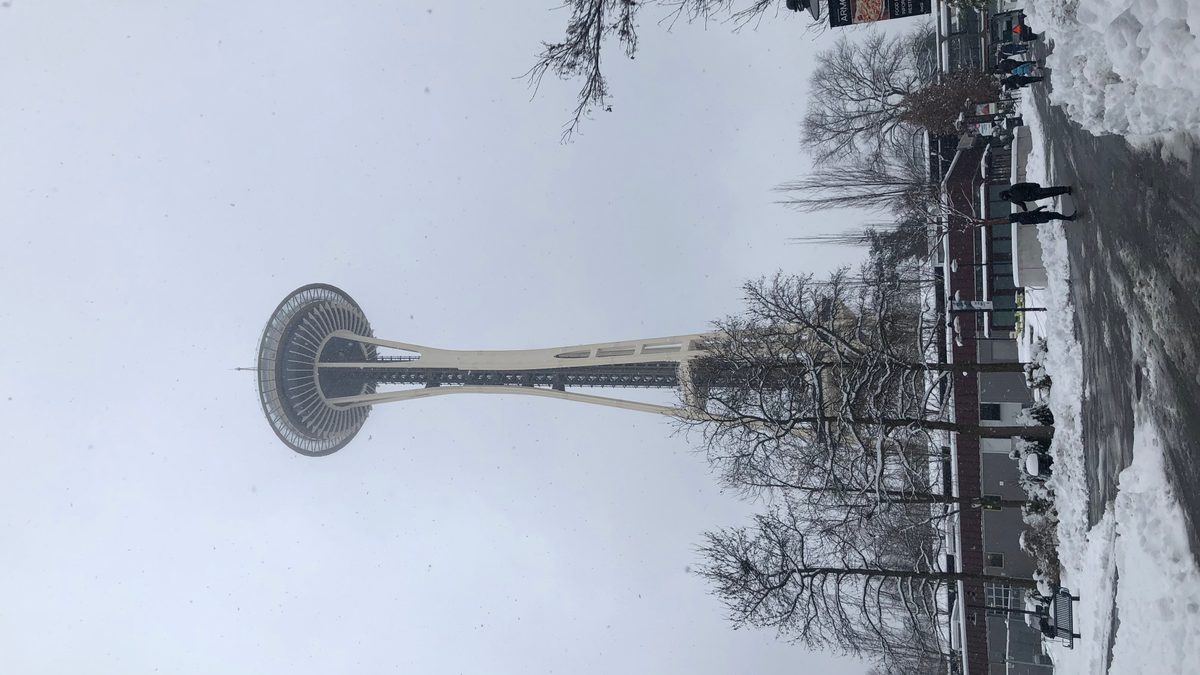
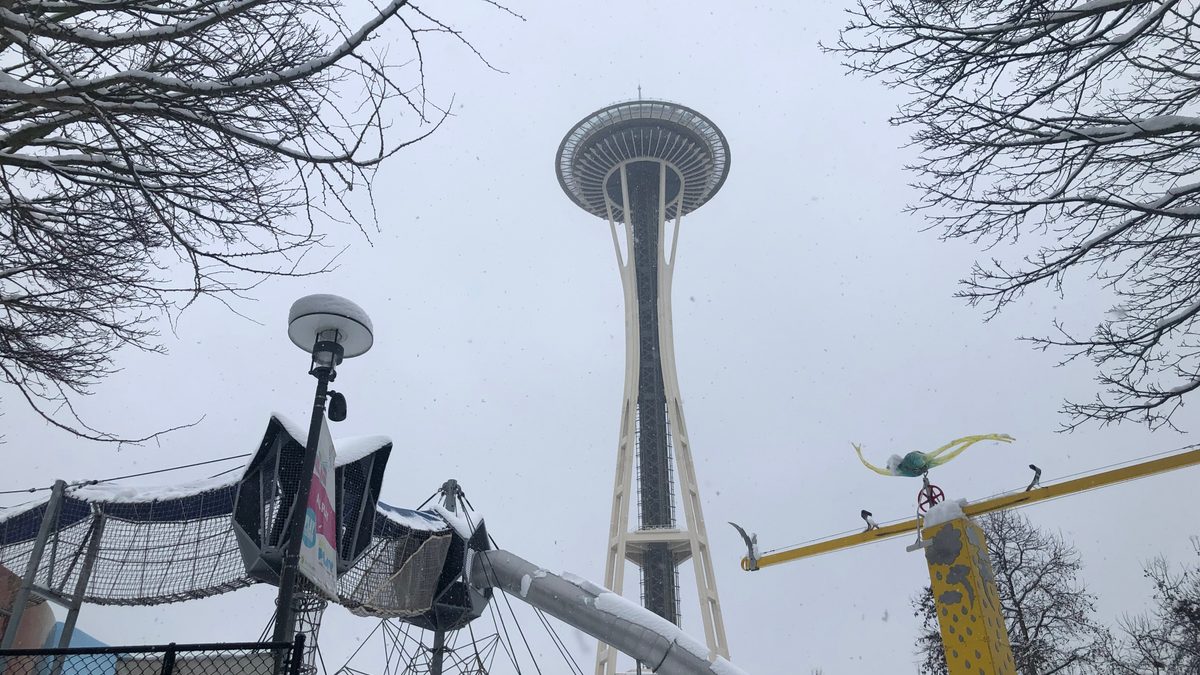
Sea-Tac Airport averages about 6.3 inches of snow a year, spread across roughly 5 days, according to NOAA's own 30-year normals. That's a modest number next to Chicago or Minneapolis, and most of those 5 days bring only a dusting that's gone within 24 to 48 hours. If that were the whole story, Seattle would just be a mild, wet city that occasionally sees a few white mornings. It isn't, because Seattle is built across a series of steep ridges, and neighborhoods like Capitol Hill, First Hill, Beacon Hill, and Queen Anne sit on grades that turn genuinely dangerous under even an inch or two of packed snow. The city's snow and ice response plan sends plows and de-icing trucks to major arterials first, the streets serving hospitals, transit, and emergency responders, which leaves a smaller fleet to cover residential hills later, sometimes much later. Add a climate too mild to justify a bigger fleet or a standing stock of road salt, plus daytime slush that refreezes into ice overnight, and a 2 or 3 inch snowfall can shut down more of a normal day here than three times that amount would in Minneapolis or Buffalo. Local drivers get less practice too. A storm serious enough to need chains might show up once every few winters, not every December.
Blame the ocean, not the latitude
Seattle sits at roughly the same latitude as Montreal and parts of Maine, places that get real winters, so the mild climate isn't about how far north the city is. It's the Pacific Ocean sitting right next to it, keeping the air masses that normally reach Seattle too warm for snow. Real snow in the Puget Sound lowlands needs something more specific: cold, dry continental air pushing south out of British Columbia through the Fraser River gap near Bellingham, timed to meet a wet Pacific storm system head-on. The City of Seattle's own emergency planning documents put the figure at roughly 80 percent of the region's snowstorms forming exactly this way. Without that cold air showing up on schedule, an incoming Pacific storm just adds to the rain Seattle is famous for instead.
Advertisement
| Month | Typical snow chance |
|---|---|
| November | Low, occasional early cold snap |
| December | Moderate, the season's first real chances |
| January | Highest of the year |
| February | Also high, home to several historic storms |
| March | Low, tapering off quickly |
| April through October | Essentially none |
A few blocks can make all the difference
Ask a Seattleite about the Puget Sound Convergence Zone and you'll get an opinion, usually about which neighborhood got cheated out of a snow day. Air moving in off the Pacific splits around the Olympic Mountains to the west, and the two halves rejoin somewhere over the Sound, often between Everett and the King-Snohomish county line. Where those two air streams collide, they have nowhere to go but up, and that forced lift can produce noticeably heavier snow or rain in a band just a few miles wide. One local meteorologist compares it to water flowing around a rock in a stream and meeting again on the downstream side. Ballard, sitting on Seattle's own edge of the zone, has earned a reputation as a "snow hole," a spot that reliably sees less snow than nearby neighborhoods during the exact same storm. Citywide averages mean less here than almost anywhere else in the country.
The storms locals still bring up
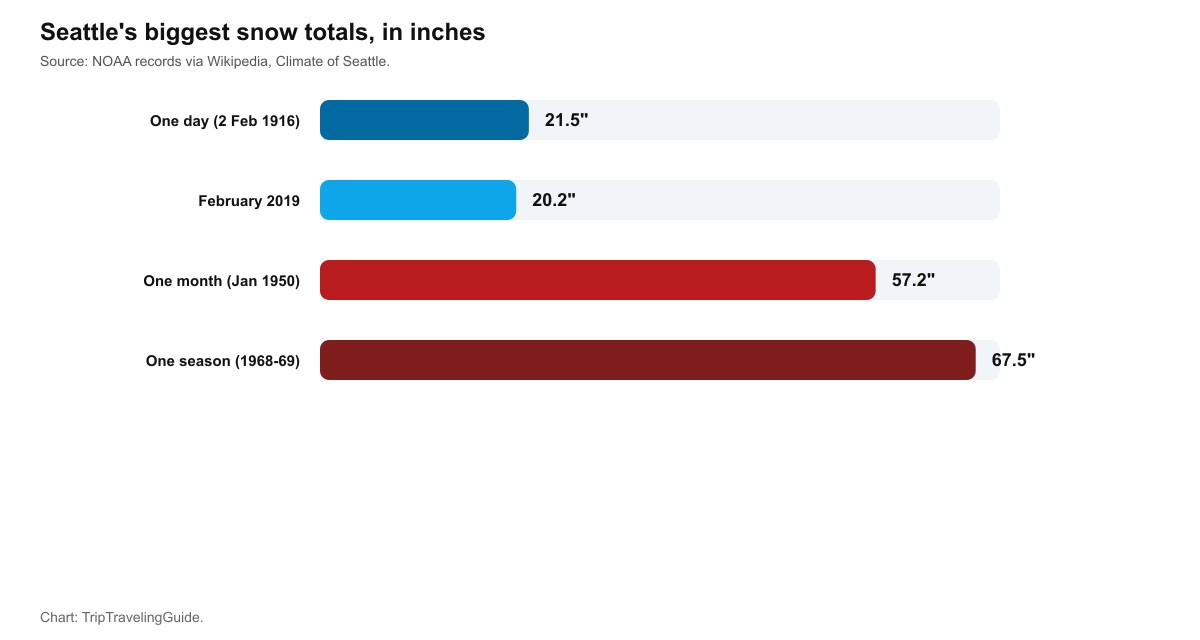
Ask around and three dates come up more than any others. The single-day record, 21.5 inches, fell on 2 February 1916 and still stands. January 1950 holds the single-month record at 57.2 inches, a number that still doesn't sound real for a city this mild. December 1996 is the one longtime residents mention first: more than 20 inches over about a week, Sea-Tac shut down for an extended stretch, and holiday travelers stranded right before Christmas. The one with a nickname, February 2019's "Snowmageddon," brought 20.2 inches across the month in several separate waves, beat the old February record of 13.1 inches set in 1949, and shut down much of the city's bus network for days. The full-season record belongs to the winter of 1968-69, at 67.5 inches total.
None of that compares to what the nearby mountains see in an ordinary winter. Snoqualmie Pass, less than 90 minutes east of downtown on I-90, averages over 400 inches of snow a year, more than 60 times what the city itself gets. The Cascades hold the real snow. Seattle just gets the occasional overflow, and that overflow is precisely what makes local news when it lands.
Advertisement
Planning a trip around snow? Don't.
January and February give you the best odds, and even then the chance of measurable snow on any single day you're in town is genuinely low. If you'd rather not risk a canceled flight or a closed mountain pass, April through October takes snow in the city itself off the table entirely, though Snoqualmie Pass keeps its own winter schedule regardless of what Seattle is doing at sea level. The honest lesson from this city's own climate record, where NOAA's own normals tables can't even agree with each other on the yearly average, is that any single winter can look nothing like the last one. See our USA winter forecast 2026-2027 guide for how that uncertainty plays out nationally this season, and our polar vortex disruption guide for the pattern most likely to push an unusually cold stretch into the Pacific Northwest.
Two honest caveats before you treat any number above as gospel. NOAA's own 1991-2020 normals for Sea-Tac give two different annual snowfall figures depending on which published table you check, 6.3 inches in the commonly cited NCEI average and 8.2 inches in a separate table, and neither source explains the gap, so we've led with the directly-cited 6.3 figure but wouldn't bet much on either being exact. And the "2 to 3 inches causes chaos" pattern is a tendency drawn from past storms, not an official city threshold. Seattle's plow fleet and response plan change over time, so a given storm today could play out better, or worse, than the history above suggests. For a forecast on a specific date, check the National Weather Service Seattle office or University of Washington atmospheric scientist Cliff Mass's weather blog, which track Puget Sound conditions in more detail than any general guide can.
Fast answers: Yes, it snows in Seattle, most winters, usually around 6 inches total across a handful of days, nearly all of it November through March. Two or three inches is enough to disrupt the city because of its hills and small plow fleet, not because the snow itself is unusual. Expect your specific neighborhood's experience to vary sharply from any citywide average, especially near the Puget Sound Convergence Zone around Everett. If you're curious how the opposite end of the US climate spectrum behaves, our does it snow in Florida guide covers a state where the disruption comes from lightning instead of ice.
Where these numbers come from
- Current Results, Seattle weather averages, citing NOAA NCEI 1991-2020 normals
- Wikipedia, Climate of Seattle, citing NOAA 1991-2020 climate normals
- City of Seattle Office of Emergency Management, snow hazard planning document
- Seattle Department of Transportation blog, snow and ice response, "it takes a city"
- Wikipedia, Puget Sound Convergence Zone
- Q13 Fox, why Puget Sound's convergence zone targets Snohomish County
Topics
Advertisement